
Verification and Account Security with Westace
Online casino account security depends on more than a strong password. Before creating an account, New Zealand adults should understand what identity checks may involve, which account protections are confirmed, and how to respond if access becomes difficult. The available information about https://1playerdad.com/ indicates that verification is generally linked to withdrawals, while several recovery and login-security details remain unspecified. That makes careful preparation important, particularly when personal documents and payment information may be requested.

Why verification matters before a withdrawal
Know-your-customer checks are commonly used to confirm that an account belongs to the person using it. For the service covered here, verification is reported as necessary before the first withdrawal. Typical documents may include a government-issued photo ID, such as a passport or driving licence, proof of address, such as a recent utility bill or bank statement, and evidence that the chosen payment method belongs to the account holder.

These requirements are not merely an administrative inconvenience. They can help an operator identify duplicate accounts, prevent unauthorised use of payment methods and meet its own compliance obligations. They also mean that a withdrawal request may not be the right time to discover that an address is outdated or that a card is registered to someone else. Details should match across the account, identity document and payment method wherever possible.
Available review material gives an estimated verification period of 24–48 hours, but that should not be treated as a guaranteed timeframe. Additional checks may be requested depending on the account or transaction. Before uploading anything, confirm the operator’s current document instructions, accepted file formats and submission method. Avoid sending identity documents through an unverified email address or a public messaging channel, and keep a record of what was submitted.
What should be checked before sharing personal documents?
Start by checking the exact website address and the spelling of the operator’s name. Several unrelated websites use similar names, and their operators, terms, game catalogues and licensing claims should not be mixed together. A secure connection shown by a padlock is useful, but it does not independently prove that a website is trustworthy or that its gambling permissions are adequate.
Read the privacy and account terms before submitting a passport, driving licence or proof of address. Look for explanations of why information is collected, how long it may be retained, who may receive it and how a customer can ask questions. If the wording is unclear, contact support through the website’s stated route before sending documents. Never alter an identity document to satisfy a form, and do not provide more information than the stated process requires.
New Zealand users can also consult New Zealand’s official cyber safety guidance for broader advice on protecting accounts and personal information online. That guidance is not confirmation of any casino’s licensing, security controls or document practices. It is better understood as a general safety reference when assessing links, passwords, suspicious messages and requests for sensitive information.
How to make the account harder to compromise
Use a long, unique password that is not reused for email, banking, shopping or social media. A password manager can generate and store separate credentials without requiring you to memorise every one. Avoid predictable combinations involving names, birthdays, sports teams or local places. If the site offers a security setting that is not clearly described in the available material, check its current account-help information rather than assuming it is available.
Two-factor authentication is not confirmed in the reviewed information. Do not assume that an extra login code, authenticator app or security key is supported. If such a feature appears in the account area, enable it only through the genuine website and save recovery codes somewhere secure. If it is absent, compensate with a unique password, protected email account and careful monitoring of account notifications.
Device hygiene matters as well. Keep the operating system, browser and security software updated, and avoid signing in on shared or public computers. Be cautious with browser extensions and unexpected links claiming that verification has failed. A genuine support representative should not need your full password or a one-time security code. If a message creates urgency, open the website manually rather than following its embedded link.
What to do when login access is lost
The available information confirms that the site provides a separate login route for existing customers, but it does not specify the full password-reset process. It also does not confirm the steps for a locked account, the identity checks used during recovery or the availability of security alerts. As a result, account holders should not rely on assumptions about how quickly access can be restored.
If access is lost, first stop repeated login attempts if the account may have been locked. Check whether the email address, keyboard settings and password manager entry are correct. Use the site’s account-access or support route rather than searching for unofficial contact details. If the email account connected to gambling activity may also be compromised, secure that email account immediately and change any reused passwords from a trusted device.
When contacting support, provide only the information needed to identify the account and follow the operator’s stated verification process. Keep screenshots of unusual messages, dates and reference numbers. Never disclose a one-time code, full password or remote-access permission. If an unrecognised payment or account change appears, contact the relevant payment provider promptly and review other accounts that used the same credentials.
Separate account security from the wider operator decision
Good password practice and document handling reduce personal risk, but they do not answer every question about an online gambling service. The available material does not establish that this operator holds a New Zealand gambling licence. It also describes Costa Rica company registration in some listings, while noting that company registration is not the same as independent gambling-regulator oversight. Those points should be checked against current legal and operator information before use.
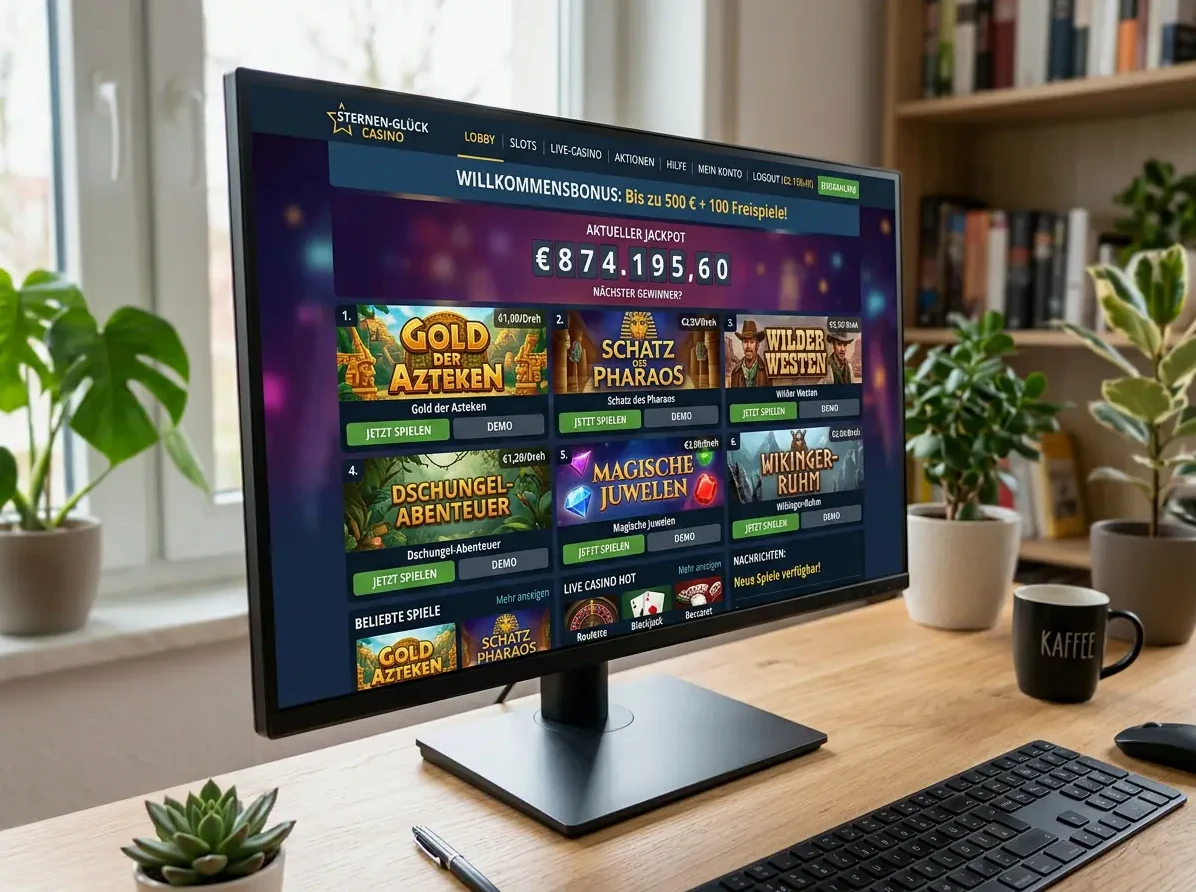
Security decisions should also be kept separate from promotional decisions. Registration may display several welcome-offer choices, but the accessible information does not confirm every wagering rule, eligible game, expiry period, maximum bet or withdrawal restriction for New Zealand customers. A headline figure is not evidence of favourable terms. Read the current conditions in full and avoid depositing solely because an offer appears urgent or unusually large.
Finally, consider whether the available account controls meet your needs. Self-exclusion and a self-assessment tool are listed, and self-exclusion may reportedly be requested through support. However, deposit, wager, loss and session limits, cool-off periods and reality checks are not confirmed in the reviewed material. Anyone who needs those controls should verify their availability before depositing, and should not treat a missing feature as something that can be assumed.
Questions readers often ask
Which documents may be requested during verification?
Reported examples include a government-issued photo ID, proof of address and evidence that the payment method belongs to the account holder. Requirements can vary by account or transaction, so check the current operator instructions. Do not send documents through an unverified channel or provide altered files.
Is two-factor authentication confirmed?
No. The available information does not confirm two-factor authentication or another specific login-security feature. Check the current account settings and help material directly. Until a feature is clearly available and enabled, use a unique password, secure email account, updated devices and cautious login habits.
What should I do if I cannot access my account?
Use the website’s stated account-access or support route, and avoid unofficial contact details. Check your email security and stop reusing the affected password elsewhere. Do not share full passwords or one-time codes. Keep records of support messages and report unfamiliar account or payment activity promptly.